Ways We Celebrated Bealtaine….. (and Tried Not to Get Our Butter Stolen by the Fairies)
Now, we tend to think of Bealtaine as a fairly gentle sort of thing these days. A few flowers, maybe a walk, a bit of intention-setting if you’re that way inclined.
But that’s not really how it used to be at all.
Bealtaine was a threshold, and not an entirely comfortable one either. It marked the beginning of summer, yes, but it also came with a sense that things were a bit more open than usual, that the line between this world and whatever else might be out there wasn’t as solid as you’d like it to be. So people didn’t just celebrate it, they minded it. Carefully.
Because if you got it wrong, you might not lose your life or anything quite so dramatic, but you could very easily lose your butter, and that was trouble enough.
Things You Absolutely Did Not Do
There were all sorts of small rules around the day, the kind nobody wrote down but had evolved out of centuries marking this turning of the year.
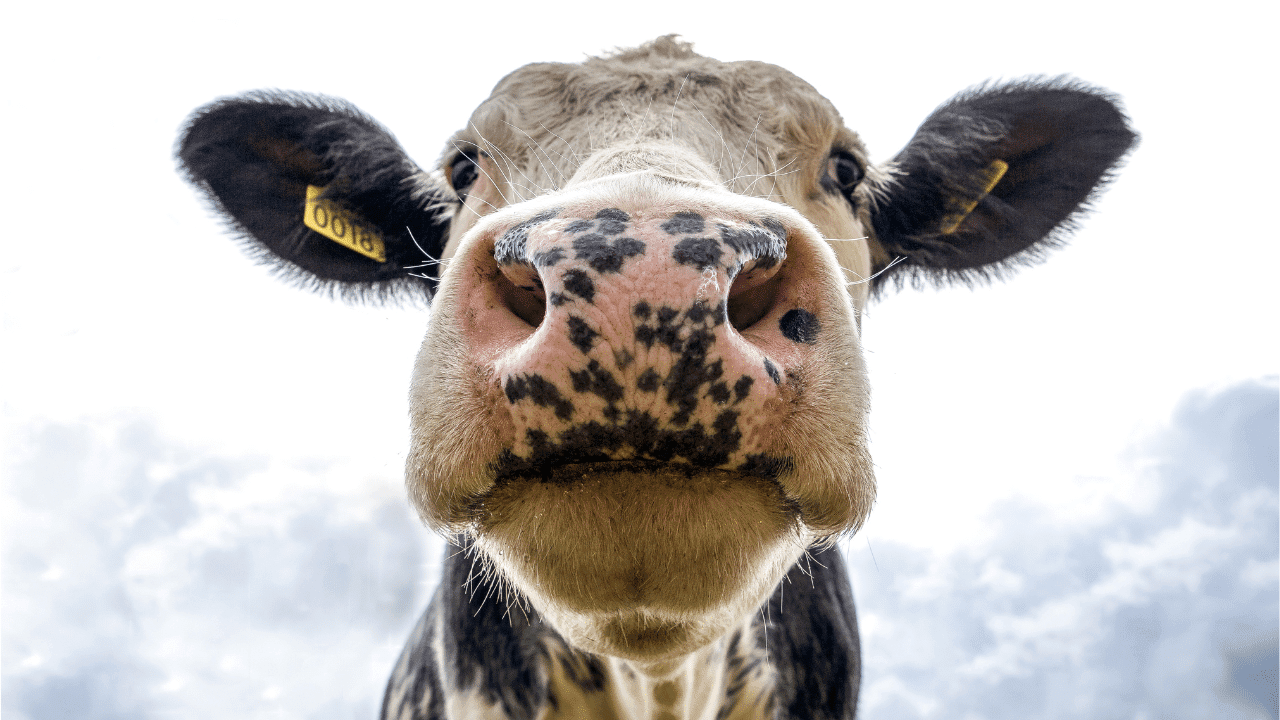
You wouldn’t give away milk on May Day, not even a drop, because that was said to take the good of your cows with it for the rest of the year. The milk would thin, the cream wouldn’t rise the same, and you’d be left wondering what you’d done to deserve it. And it wasn’t just Milk, basically giving away anything on May Day ensured you’d given away your luck, comfort and good fortune for the following year. Light someone’s pipe from your fire, you’d have a terrible time keeping your fires going all year. Give someone some butter, and for the rest of the year… your cream will never turn to butter. You get the idea!
There’s a story of a man who found a length of rope on May Eve and brought it home thinking nothing of it, only to discover the next day that his churn was producing far more butter than it should have. It wasn’t luck, as it turned out, but something taken from someone. Meaning he had taken their butter along with the rope! It took a priest and a bit of burning to put things back the way they were.
You also kept your ashes in, and left the chimney alone, because throwing anything out of the house that day was seen as throwing your luck out along with it.
And one that always catches people a bit off guard: you wouldn’t light your fire on May morning until you saw smoke rising from the priest’s house.
It sounds like a simple show of respect, but its a custom that has its roots in something much older. Long before there were priests involved, people would have waited for a central fire to be lit, most famously at the Hill of Uisneach. This fire would be lit by the High King, and spiriling out on sacred hilltops more smaller fires would gradually begin to burn. It wasn’t until you saw your local fire lit, that you relit your own hearth fire. So even in that small custom, you can see something of the older traditions still holding on.
Things You Had to Do (Just in Case)
It wasn’t all about avoiding things, though. There was plenty you were expected to do as well, especially early in the morning.
Washing your face in the May dew was one of the most common. People would go out before sunrise and use it almost like a blessing, believing it would keep the skin clear and protect against all sorts of small ailments for the year ahead. You’ll avoid sunburn, freckles, aging, and bags under your eyes! In some places, it was said that washing your hands in it gave you the ability to loosen any knot!
Branches were gathered too, usually whitethorn or rowan, and hung up in the house or over the animals for protection. Your cattle mattered just as much as anything else, and Bealtaine was a time when they were thought to be particularly vulnerable.
There was also a habit of bringing water across boundaries, taking it from a stream that marked the edge of land and keeping it safely in the house. It had a protective feel to it, though like a lot of these things, no one would have fully explained why.
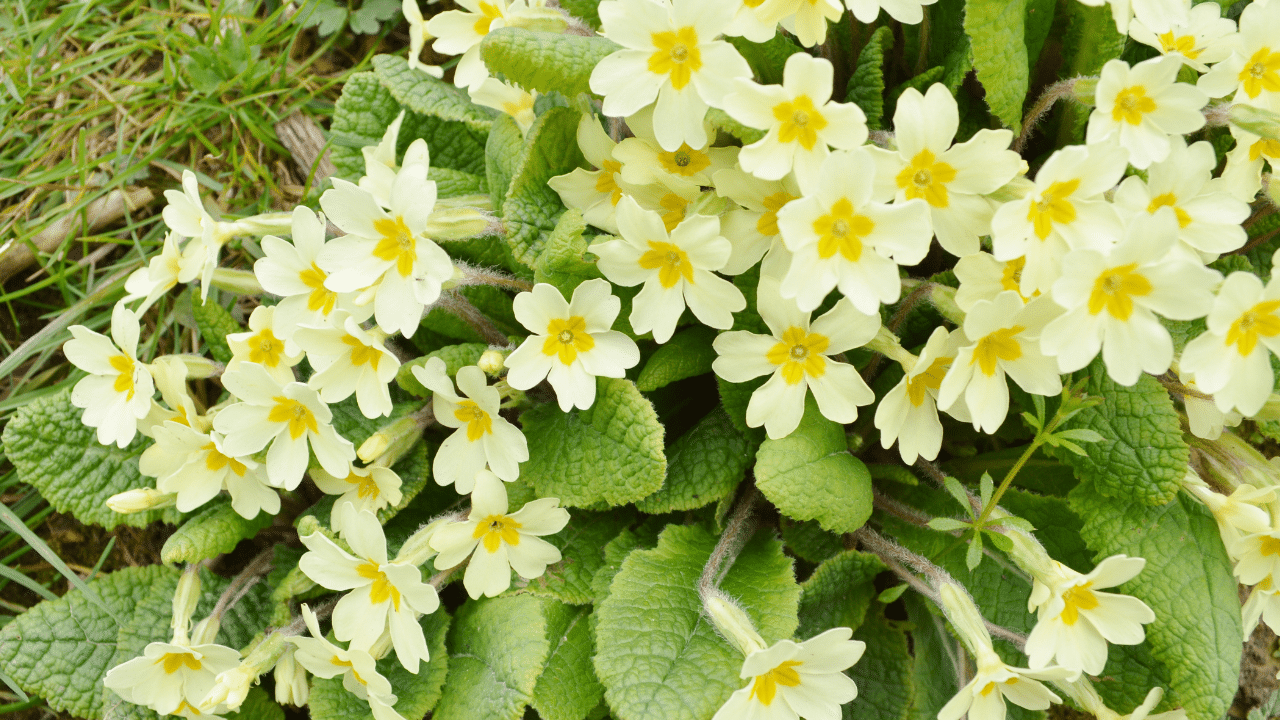
And then there were the flowers. Primroses, Mayflowers, fresh greenery tied to the door or scattered around the threshold. Flowers were said to both welcome back the summer but also protect the house. Cowslips kept the fairies away, bluebells too. Primroses were used to decorate the Church Altars, and violets were scattered on the floors inside the house. When walked on, they would release a pop of scent. I’m sure these fresh smells were a real relief after a long winter cooped up inside a smoky, overcrowded house with limited washing facilities and chickens, dogs and cats wandering in and out!
And Then There Were the Fairies
Because really, this is what so much of it comes back to.
May was considered their time, and not in a harmless way. These weren’t the sort of fairies you’d want to meet for the novelty of it. They were blamed for all sorts of small but very real troubles, especially anything to do with milk and butter, and they were thought to be particularly active in the first few days of the month. This was the Thinnest time, and the thinnest the doorway has been in six months since Samhain.
People had ways of managing that too. Cattle might be driven between embers for protection, or marked with the froth of their own milk. Sometimes primroses were tied to their tails, which feels almost gentle until you remember the reason behind it!
Inside the house, things were kept in order. The hearth would be cleaned, and a bit of food might be left out, just in case. There’s a long tradition in my family to leave a bowl of milk and a little bread on May Eve for passing fairies. Call it insurance, you never know when you might need them on your side!
There are warnings as well, the kind that linger a bit. Not to go wandering alone in lonely places, not to follow music or laughter if you hear it carried on the air. The Mounds and Fairy Trees are best avoided at this time of the year. And if you meet a stranger on the road, be respectful, but don’t go anywhere with them. Some people wore a bit of red or put their coats on backwards to keep any unwanted attention!
So What Was It, Really?
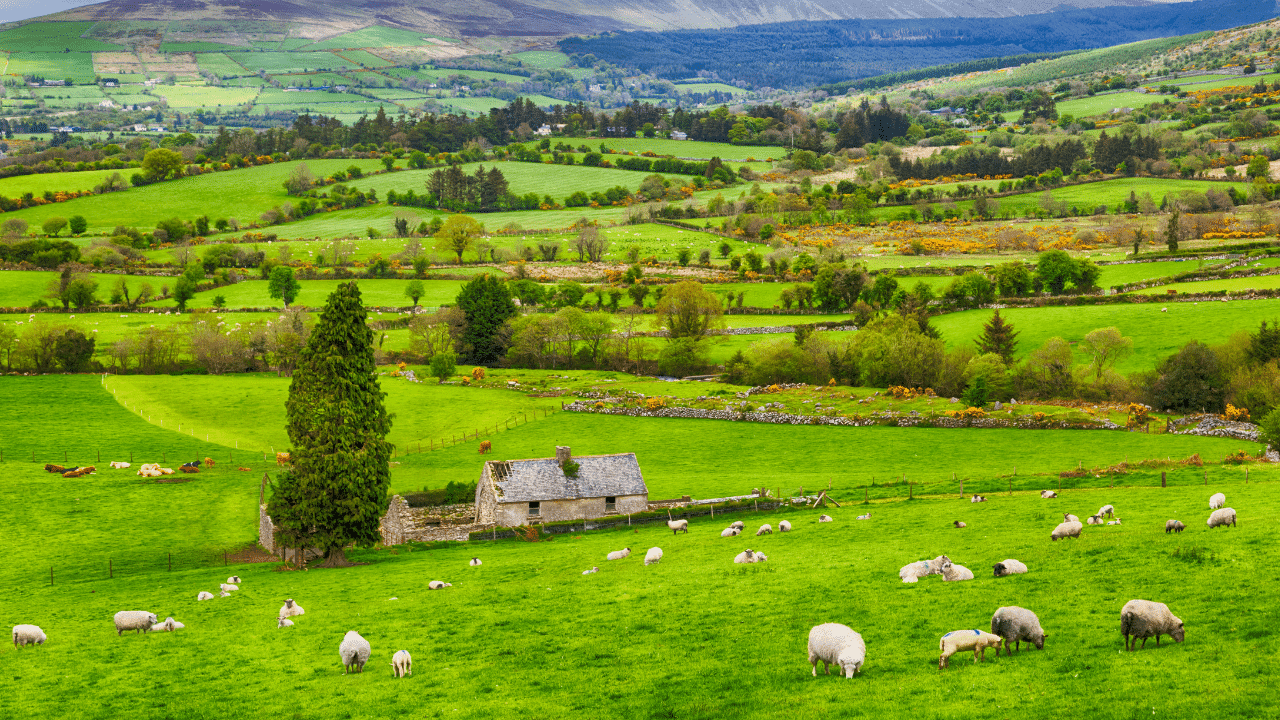
Bealtaine or May Day as it was also known did bring people together, and there were fairs and gatherings and all the usual signs of summer beginning, with young people out in their best clothes and a bit of excitement about what the season might bring. Hawthorn bushes decorated with eggshells, ribbons and bits of coloured paper were on every farmyard, poking out of the dungheap much of the time! Bonfires lit in communities across Ireland, right up until the 1980s in many rural areas.
But alongside that, there was always this other layer of care and caution running through it. It wasn’t just a date on the calendar, it was a moment when things felt slightly unsettled, and people responded to that in all the small, practical ways they knew how.
We’ve softened it over time and made it easier to hold, which is no bad thing, but you can still catch glimpses of what it once was if you look closely enough.
And if you happen to be up early on May morning, and there’s dew on the grass and a stillness in the air that’s hard to put your finger on, you might find yourself following the old habit of washing your face in it.
There’s no harm in it, anyway.
And you never know.
If this is the kind of thing that catches your interest, the old stories and the ways people made sense of the world around them, it’s something we spend a lot of time with on my walks. Wandering while wondering, as one guest very beautifully put it.
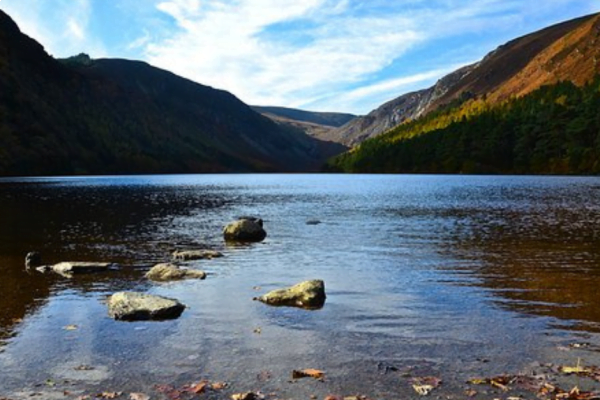
Because places like Glendalough and the surrounding landscape still hold those layers, if you know how to look for them, and our myths and legends hold the key.
And once you start noticing them, it’s very hard to stop.