Lughnasa: The Women, the Harvest and the Turning of the Year
Lughnasa – The Turning of the Year
The first of August marks one of the four great festivals of the Gaelic year. Along with Imbolc, Bealtaine and Samhain, Lughnasa signalled a turning point in both the farming calendar and the lives of the people who depended upon it. Unlike many ancient festivals, however, Lughnasa never truly disappeared. It simply evolved. In fact, it survives in plain sight every time we write the date, as Lúnasa remains the Irish word for the month of August.
Traditionally, Lughnasa marked the first day of autumn in the Gaelic calendar. While many of us still think of August as the height of summer, our ancestors saw things rather differently. The frantic growth of the year was over. The harvest had begun, and from this point onwards every task was about preparing for the darker months ahead. Hay had to be gathered before the weather broke, oats and barley harvested, berries picked, herbs dried and food preserved. Summer wasn’t ending overnight, but the wheel of the year had begun its slow turn towards Samhain.
The festival is still woven into Irish life today. The August Bank Holiday, while a modern public holiday, falls at this ancient turning point in the year, and communities across the country continue to celebrate with agricultural shows, horse fairs and local festivals. From the famous Puck Fair in Killorglin to the Tinahely Agricultural Show in neighbouring Wicklow, these gatherings continue a tradition of celebrating the harvest, community and the changing of the seasons. Here in County Wexford, older generations may still remember Froken Sunday, a local tradition whose name is thought to come from the Irish fraochán (bilberry). Families would head into the countryside to gather the tiny wild berries that ripened at this time of year, often making a day of it with picnics, music and visiting neighbours—a simple but beautiful reminder that Lughnasa was as much about celebrating the gifts of the land as it was about preparing for the months ahead.
But while many people know Lughnasa as a harvest festival, few realise that at its heart lies the story of a remarkable woman. In fact, perhaps the better question is this: why is Ireland’s great harvest festival named after a god who created it to honour his foster mother?
The Woman Behind the Festival
At first glance, it seems a strange thing. Why would Ireland’s great harvest festival be named after the god Lugh, only for him to dedicate it to someone else?
The answer lies with Tailtiu, Lugh’s foster mother.
According to medieval Irish tradition, Tailtiu was a queen who cleared the great forests of Ireland so that fertile land could be opened up for farming. It was exhausting, relentless work, and the stories tell us that she died from the effort. Before her death, she asked only one thing—that games and gatherings should be held in her memory each year at harvest time.
Lugh honoured her wish by establishing the Óenach Tailten, a great annual assembly held in what is now County Meath. Far more than a simple fair, the óenach was one of the most important events in the Irish calendar. People travelled from across the country to trade livestock and goods, hear poets and musicians, watch horse races and athletic competitions, arrange marriages, settle disputes and renew friendships. It was a celebration of community, prosperity and the land that sustained them all.
But Tailtiu’s story may reach even further back than the medieval manuscripts.
Many historians and folklorists believe she preserves the memory of a much older land or sovereignty goddess. Across Irish mythology we find powerful women whose lives are inseparable from the landscape itself. They are not simply queens or mothers; they are the land, embodying its fertility, its generosity and, ultimately, its sacrifice.
Whether remembered as a queen, a goddess or perhaps a little of both, Tailtiu came to represent the simple truth that every harvest comes at a cost. Before grain could fill the barns, someone had to clear the fields, sow the seed and tend the crops. The abundance celebrated at Lughnasa was never taken for granted—it was earned through hard work, perseverance and a deep respect for the land itself.
And once you begin to notice that pattern, something rather curious appears. Tailtiu is not the only woman whose story becomes forever entwined with the harvest. Journey to County Wexford and you’ll discover another forgotten figure waiting in the wings…
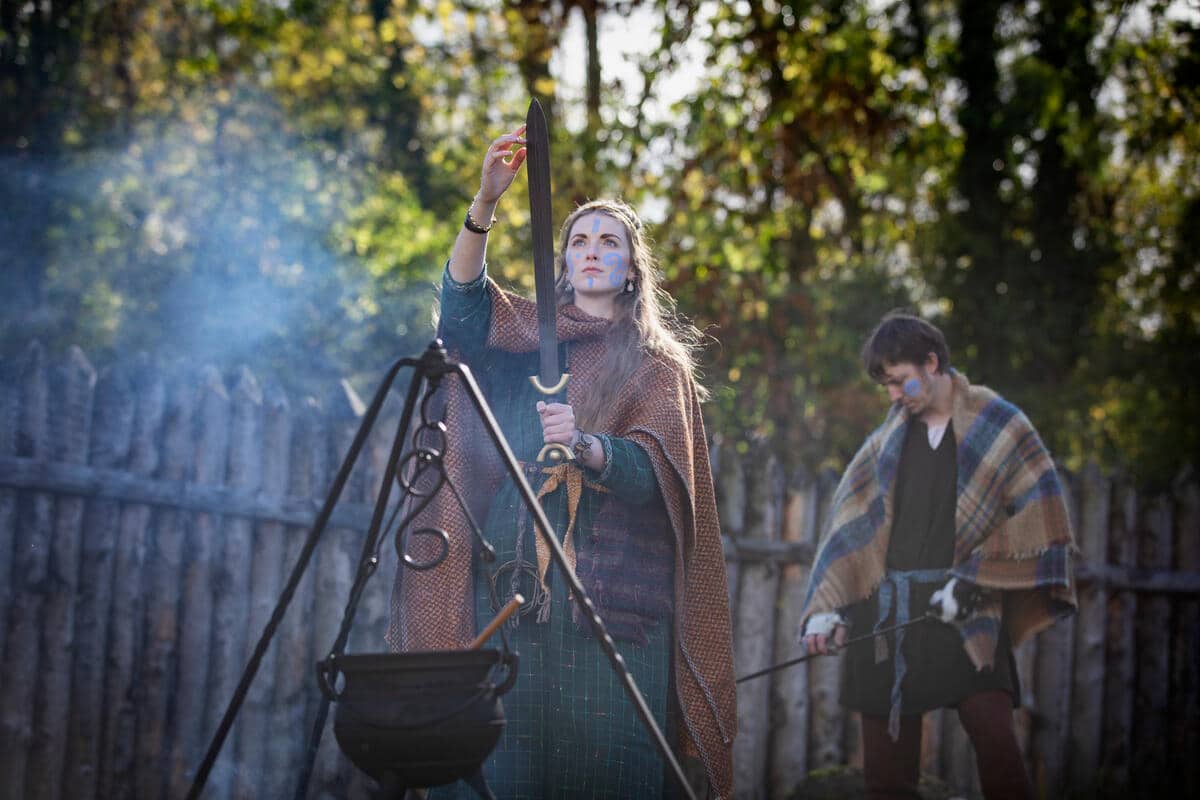
Wexford’s Forgotten Harvest Goddess
Tailtiu is not the only woman whose story became entwined with the harvest.
Travel south-east to County Wexford and you’ll find another ancient gathering hidden in the pages of Irish history—the Óenach Carman. Like the assembly at Tailteann, it was one of the great seasonal festivals of early Ireland, drawing people from across the country for horse racing, athletic competitions, music, poetry, trade and legal assemblies. Kings forged alliances, merchants did business, marriages were arranged and old friendships renewed. It was a celebration of community every bit as much as it was a celebration of the harvest.
The gathering took its name from Carman, a mysterious woman whose story survives in medieval Irish literature. According to the Book of Leinster, Carman was buried in what is now County Wexford, and the annual assembly was held in her honour.
Who exactly was Carman? The truth is, we don’t really know.
Some stories describe her as a sorceress who came to Ireland from Greece with her sons, bringing blight and destruction to the land before being defeated by the Tuatha Dé Danann. Other scholars believe that beneath this later Christianised tale lies the memory of a much older earth or sovereignty goddess, whose original story became altered over time. Whatever the truth, one thing is striking. Just like Tailtiu, another great harvest gathering is centred on the memory of a woman whose fate became inseparable from the land itself.
And the pattern doesn’t end there.
Across Ireland we find women whose names are woven into mountains, rivers, coastlines and ancient monuments. Again and again, the landscape is remembered not simply as soil beneath our feet, but as something alive—something deeply feminine, generous and worthy of respect.
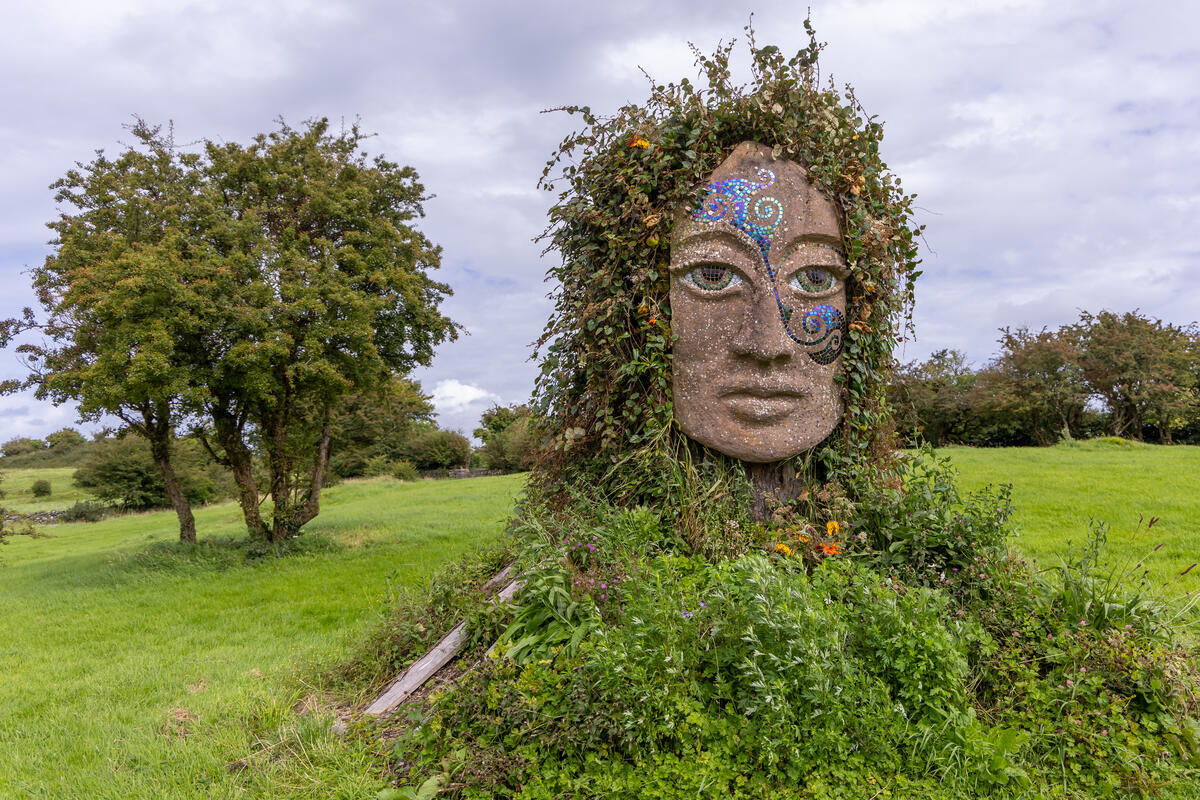
Perhaps that tells us something important about how our ancestors understood the world. Before the harvest could be celebrated, the land itself had to be honoured, and that honour was so often expressed through the stories of remarkable women.
Carman is not the only echo of this ancient tradition. Along Ireland’s west coast, local folklore remembers Mál, whose name lives on in the landscape around Malbay in County Clare. While far less is known about her story today, she joins a long line of women whose memories became rooted in the places they once belonged.
Once you begin looking for them, they seem to appear everywhere!
Ériu gave her name to Ireland itself. Boann became the River Boyne. The Cailleach shaped mountains with her hammer and apron. Áine watches over the rich farmland of Limerick, while Brigid’s presence is still felt in holy wells, sacred flames and the first stirrings of spring.
Again and again, Ireland’s landscape is remembered through women. Whether they were queens, goddesses or figures whose stories have become blurred through centuries of retelling, they all point towards the same idea: the land was never simply something to own. It was something to honour, to care for and to live in partnership with.
Perhaps that’s why Lughnasa was never just a celebration of food, but a celebration of the Land that made food possible. A bit like thanking your Mum or your Nan for cooking an amazing Sunday Roast!
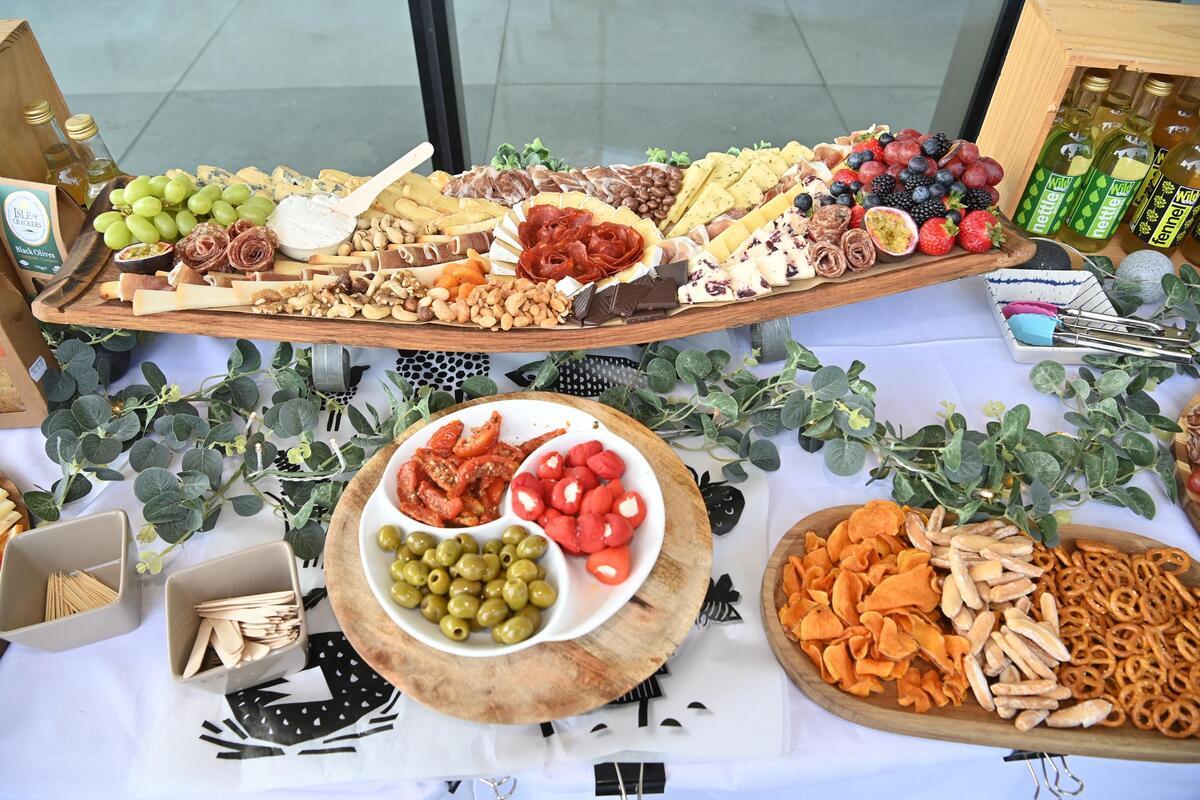
The Gifts of the Land
When we think of harvest festivals today, it’s easy to imagine tables laden with food and communities celebrating another successful growing season. But for our ancestors, Lughnasa represented something much more profound. It meant they had made it through the hardest part of the year.
Historians often refer to late June and July as the Hunger Gap, or Green July. The grain from the previous harvest was running low, preserved foods had long since been eaten, and the new crops were still ripening in the fields. There were plenty of green leaves and growing plants, but very little that could actually fill an empty stomach. Every farming family waited anxiously for the harvest to begin.
Then, almost as if the land itself breathed a sigh of relief, August arrived.
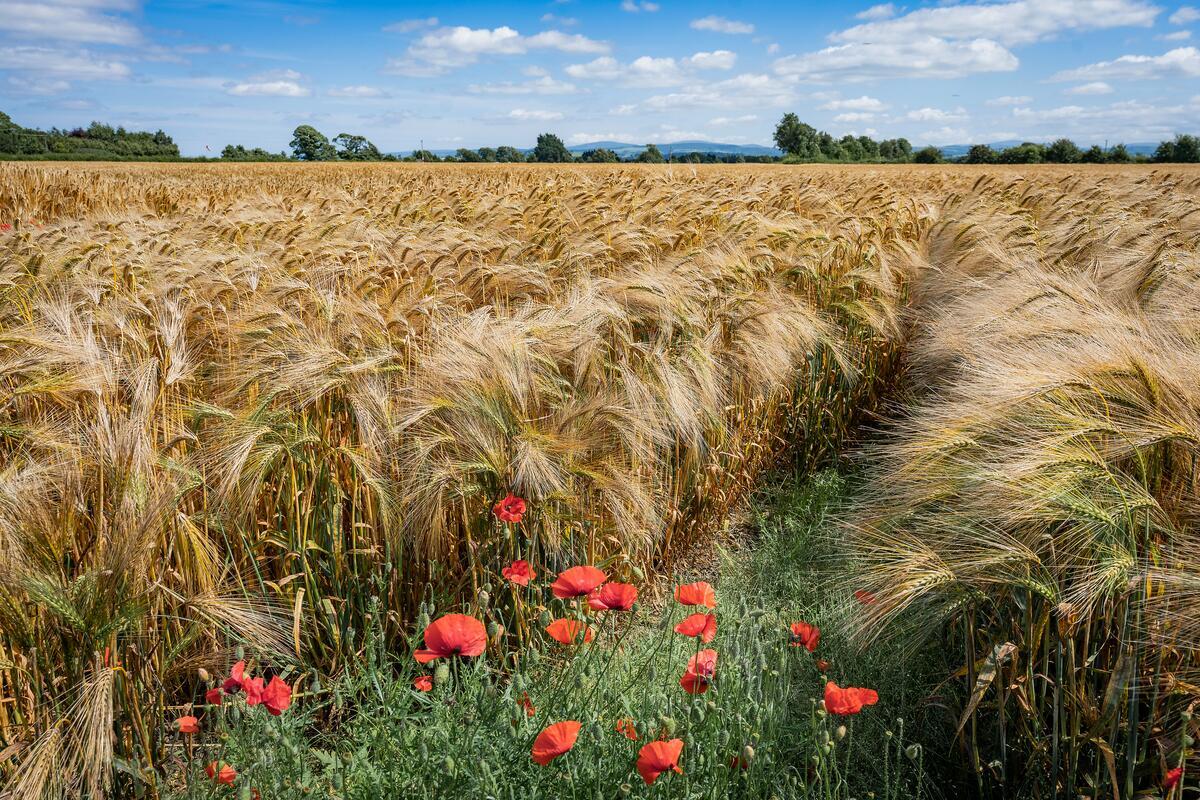
Barley and oats were nearly ready to cut, berries began to fill the hedgerows, hazelnuts appeared in the woods and herbs gathered throughout the summer could be dried and stored for the colder months ahead. The first fruits of the harvest signalled not just abundance, but security. If the weather held and the harvest was good, there was every chance the family—and their livestock—would make it safely through another winter.
This was why Lughnasa mattered. It wasn’t simply about celebrating food; it was about celebrating survival.
Many of the customs associated with Lughnasa reflect this deep connection to the land. Families climbed hills, visited holy wells, gathered bilberries on Bilberry Sunday—or Froken Sunday here in Wexford—and came together at fairs and markets to celebrate the turning of the seasons. These traditions reminded people that the harvest wasn’t the result of luck alone. It was the reward for months of hard work, careful planning and a healthy relationship with the land that sustained them.
There’s an old saying that every meal before Lughnasa made the winter longer, while every harvest after Lughnasa made the winter shorter. Whether or not our ancestors used those exact words, the sentiment captures something important. Each sheaf of grain, each basket of berries and each armful of hay brought winter one step closer to being survivable.
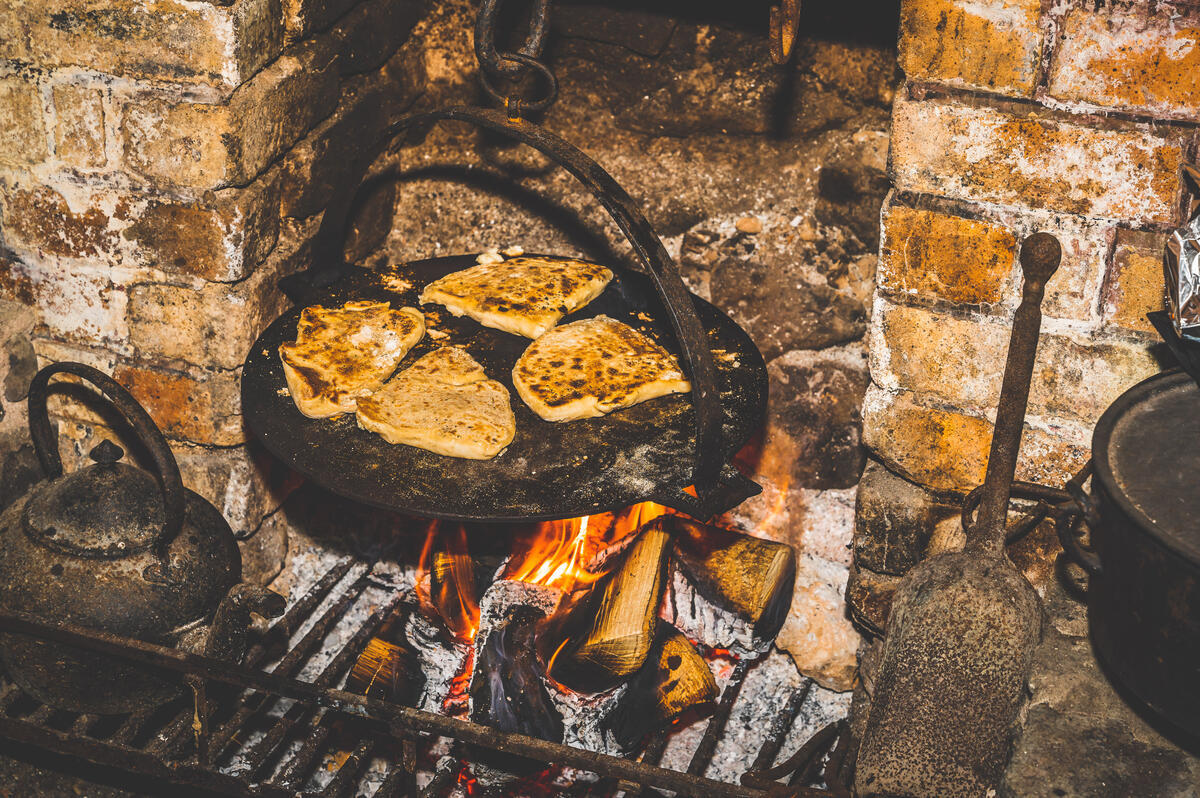
Celebrating Lughnasa Today
One of the things I love most about Lughnasa is that you don’t need to recreate an Iron Age ceremony to celebrate it.
In many ways, we’re already doing it.
Every time we visit a local farmers’ market, buy vegetables from a roadside stall or spend an afternoon making blackberry jam, we’re taking part in traditions that stretch back hundreds of years. The details may have changed, but the intention remains the same: celebrating the gifts of the season and supporting the people who work the land.
Lughnasa is also a wonderful excuse to gather your own tribe. Invite family or friends around, light the barbecue, share a meal outdoors and make time for good conversation. Perhaps that’s the modern equivalent of the old óenaigh—bringing people together to eat well, laugh often and remind ourselves that community is every bit as nourishing as food.
If you enjoy a more spiritual approach, light a small fire—or simply a candle if you’re indoors. Spend a few quiet moments reflecting on what you have harvested since Imbolc. Not the vegetables in your garden, but the quieter harvests that often go unnoticed.
What have you learned?
What have you created?
What challenges have you overcome?
What relationships have you nurtured?
We spend so much of our lives focusing on the next goal that we rarely stop to acknowledge how far we’ve already come. Lughnasa offers us permission to do just that.
Then, if you feel inclined, make a simple offering of gratitude. It doesn’t need to be elaborate. A few words of thanks, a loaf of homemade bread shared with neighbours, a handful of berries left for the birds or a promise to spend more time caring for the natural world around you can all become meaningful acts of celebration.
Because perhaps the greatest lesson Lughnasa offers us is this: a good harvest is never something we achieve alone. It is the result of healthy soil, changing seasons, supportive communities, hard work and, yes, a little bit of luck.
So whether you celebrate with a sacred fire or a sacred barbecue, a homemade loaf or a jar of blackberry jam, remember to pause for a moment and give thanks—not only for the food on your table, but for everything you’ve grown along the way.
Personally I am rather fond of a Sacred barbeque with some friends, sharing a potluck from everyones local market or garden!