
Managing ADHD Symptoms without Medication
It may not come as a surprise that somebody with a business called Gallivanting is riddled with ADHD. In fact the name of my business came about from a comment made by a teacher when I was getting expelled. I was told I was “only good for Gallivanting” Thanks Mr O’Dea!
The fact is, despite being almost textbook, when I was growing up in the 70s and 80s, girls did not get ADHD and so I only received an official diagnosis recently. That was an expensive and emotional process. I’ll save rants about the HSE for another post!
And so, like so many people, I suffered for years unmedicated and was forced to come up with all sorts of coping mechanisms to get by. This is nothing new or special; there are thousands of people in the same place. So I thought I would share why my job actually helps me manage my condition.
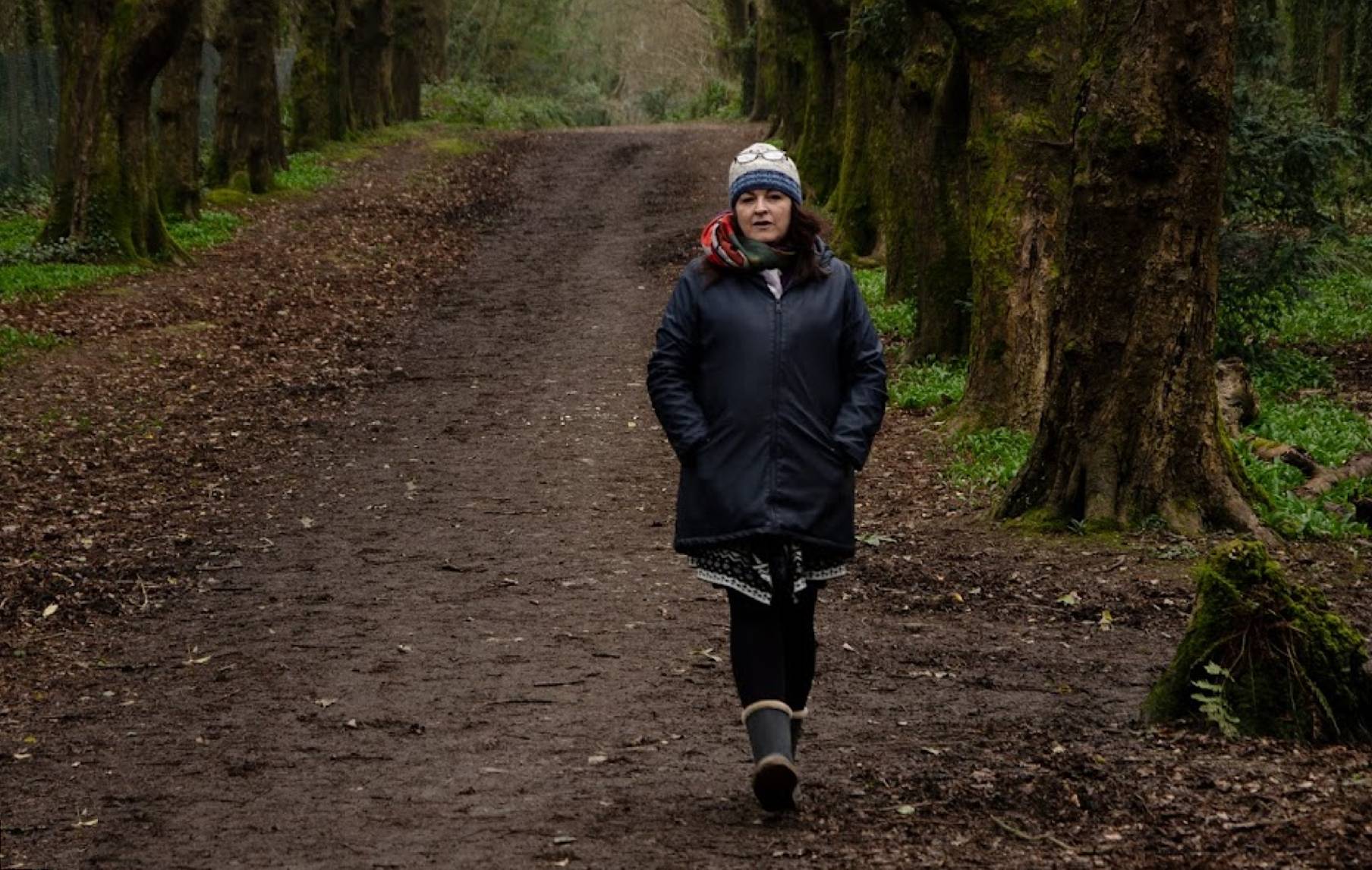
Forest Bathing
Forest bathing can be genuinely helpful for ADHD, and there’s a growing body of research to support that. It’s not a cure, but it can meaningfully improve focus, mood, and nervous system regulation. The practice comes from Shinrin-yoku (Japan), and it’s less about hiking and more about slow, sensory immersion in nature—noticing textures, smells, sounds, light. This doesn’t necessarily mean heading off to find a woodland. Spending time in your garden, local park, even hanging out on a housing estate green will help.
For ADHD brains, that shift is powerful.
1. Restores attention (without forcing it)
ADHD often involves “directed attention fatigue”—you’re constantly trying to force focus. Nature engages what psychologists call soft fascination, giving your brain a break while still being gently engaged. Listening to the “noise” of the natural world resets our brains in a way traffic, chatter and the sounds of mmodern life can drain you.
2. Reduces overwhelm and stress
Natural environments lower cortisol and calm the nervous system. For ADHD, where emotional regulation can be tricky, this is huge.
3. Improves focus afterward
Even short time in green spaces has been shown to improve concentration and working memory—sometimes noticeably within 20–30 minutes.
4. Supports sensory regulation
Instead of harsh, unpredictable stimuli (phones, traffic, notifications), nature offers layered but non-demanding sensory input, which many ADHD brains find regulating.
The trouble is that a lot of Forest Bathing experiences call for sitting quietly, mindfully and maybe doing some journaling. For us Neurospicy people however, thats very difficult. Plus its not actually necessary at all!
Don’t force yourself into a rigid “mindfulness” box—that can backfire. Instead:
- Keep it short: even 15–20 minutes helps
- Give your brain a hook:
- “Find 5 different leaf shapes”
- “Listen for the furthest sound you can hear”
- Move if needed: you don’t have to sit still—wandering counts
- Drop the pressure: you’re not “doing it wrong” if your mind jumps around
Simply spending time letting your brain notice the filtered light, the smells of the trees, the sensory aspects of touching bark or examining a leaf skeleton will allow the brain to regroup without you having to do anything!
20:10
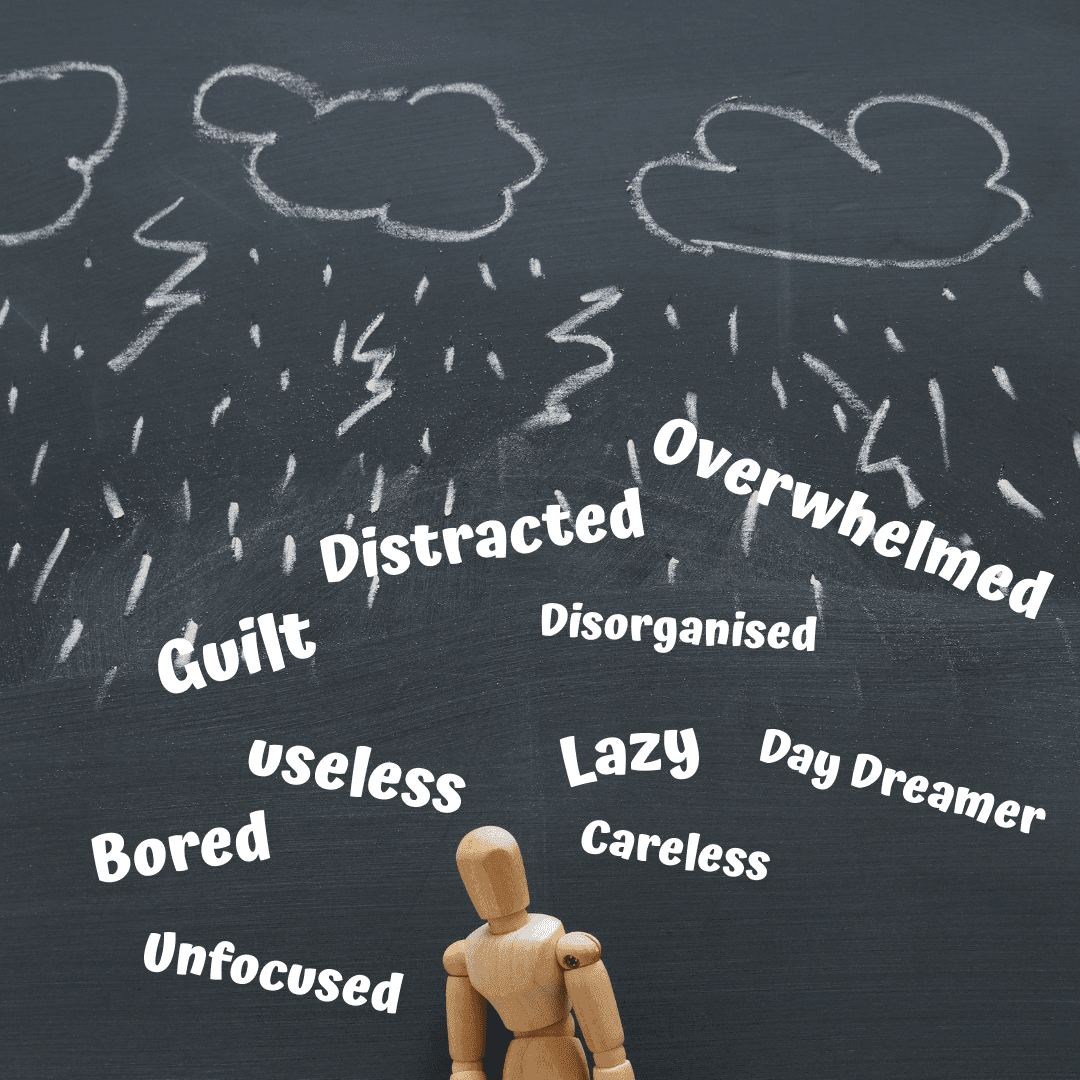
Sitting down to do work on the computer, to finish a work assignment, my tax return, or writing blogs is always difficult for me. Trying to stay focused can often seem impossible. But every year I need to write up marketing material to send to Tour Operators and Agents to sell my business. I have to file my taxes every year and I need to keep my website updated. Syncing calendars from other online platforms like AirBNB and Get Your Guide is soul destroyingly boring!
So How do you get through a few solid hours of work that could potentially take you a week? The 20:10 method. Every 20 minutes I will take a break. That break might be something small, like getting a glass of water or a biscuit or using the toilet. After 10 min I am back at the desk for another 20 minute block. Something about the blocks being only 20 minutes long allows me to actually get through the work. Allowing myself a ten min break every 20 minutes helps me keep the focus and sometimes tricks my brain so I can do 40 minutes of brain-eroding boredom and a 20 minute break.
It might seem like every 20 minutes you are up and breaking your train of thought, but lets be honest. Thats going to happen anyway. This just takes away the guilt from day dreaming! Think of it this way. The work you complete in 3 twenty-minute blocks will be far more substantial than sitting there for 3 hours staring at the screen then giving up feeling like you’ve achieved nothing. This is not your strong point, be kind to yourself and you’ll get far more done!
Supplements and Supports
My ADHD brain totally rules my diet. Some days I am totally on top of it and after a nourishing porridge for breakfast, I’ll have a gorgeous, fresh, crunchy salad for lunch, followed by a lovely, carefully made dinner with lots of green veggies. Some days it’s a Mars bar for breakfast, around 3pm and cereal for dinner. So while I do agree that the best way to get nutrition is from high-quality, fresh food. That just cannot be guaranteed, so there are a number of supplements I take that I feel help me. Ideally, you would go to your doctor and get a blood test to find out where you might need a little help. But we don’t live in an ideal world! So here are my top choices:
Magnesium
- This is a great one to take in the evenings as it helps with restlessness and sleep
- Helps stabilise sugar cravings
- Emotional regulation
- Anxiety
Omega-3 fatty acids (fish oil)
- The strongest evidence among supplements
- May help with focus, attention, and mood
- Particularly EPA (a type of omega-3) seems important
- Effects are modest but consistent
Zinc
- Linked to dopamine regulation (key in ADHD)
- Some studies show improvement in hyperactivity and impulsivity
- More helpful if levels are low
Iron
- Low iron = worse attention and fatigue
- Important: only supplement if deficient (get bloods done first otherwise you’ll end up constipated!)
Vitamin D
- Low levels are common in Ireland (hello, grey skies and endless rain!!! 🌧️)
- May support mood, brain function, and energy
I am not suggesting I take these every day however over the years, these are the ones that I have found most helpful!
Finally a Mushroom Supplement….
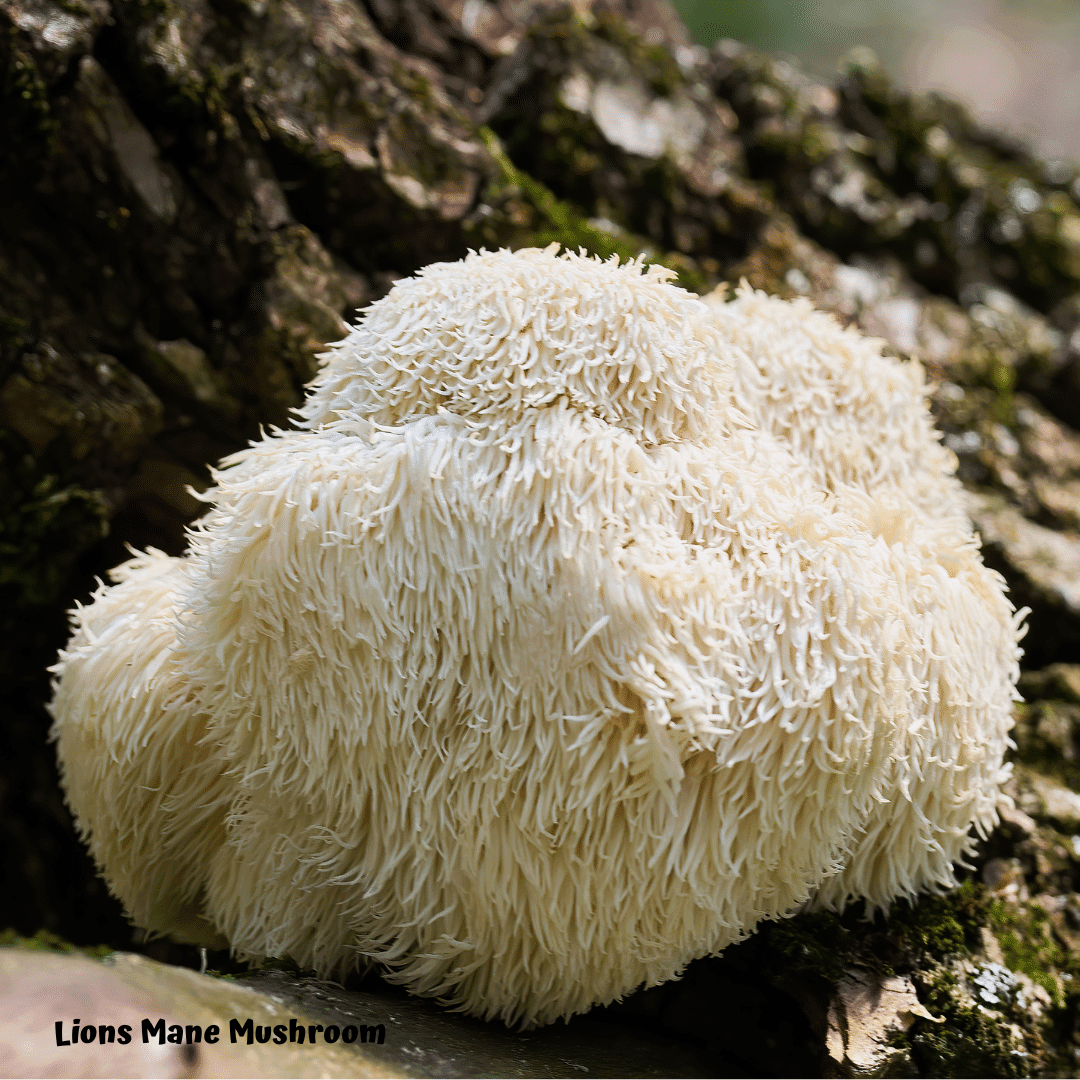
Lions Mane
Lions Mane is a really interesting one as it has lots of claims attached to it although there hasn’t been much research done yet. This was a game-changer for me!
- Lions man is meant to build new neurotransmitters and strengthen existing ones so helps with routines, structure all that
- Helps with brain fog and memory
- Mental clarity
- Improved cognition
When I first took Lion’s Mane, I noticed a huge difference. I got an awful lot of Admin work completed, I had scheduled work going ahead months, social media campaigns, the lot it was amazing. On the downside though, I had the worst heartburn! It was like being pregnant again! Every evening I headed to bed with my Rennies and hoped tomorrow would be better! Today I still take it, but on and off. I will buy a pouch of powdered Lion’s Mane from Ballyhoura Mushroom Farm in Limerick and add a spoonful to my breakfast Hot Chocolate every moring. The taste is very mild and with chocolate, you can’t taste it at all! After about three months I will take a break for a month or two and then back on it. I can’t say its better than medication, but it did help me and I met other people who find it just as helpful.
So there you go, if you have something to suggest, then please let me know! And as always, when taking advice about a medical condition. Make sure nothing listed above interferes with existing medical conditions or medications!