Making a Brigids Cross for Imbolc!
Imbolc is a very ancient Irish festival which is thought to be around 5000 years old, although its possibly even older. As the arrival of Spring after a long cold winter was, I am sure, something eagerly anticipated. Celebrated on the 2nd of February, Imbolc is one of the four festivals in Ireland associated with the Elements. Imbolc is connected to the element Air and has two main associations: the Goddess Bríd or St Brigid and milk!
Which is where the name Imbolc or Imbolg comes originates. The words “i mbolc” means “In the Belly” and acknowledges the fact that female animals such as cattle, goats and sheep are pregnant and as such, their bellies are beginning to swell. It is also worth noting that its exactly 9 months since Bealtaine, the fiery fertility festival! Imbolc or Imbolg, are the two modern words and are pretty much interchangeable these days.
But this festival essentially celebrates the time of year that dairy would have become available again, indicating a time of plenty, a break in the hunger brought on by winter. A time to celebrate the return of fresh milk, eggs, butter and cheese, all of which were a huge part of life in Ireland and keeping Irish people fed.
Today in Ireland, Imbolc is more commonly known as Saint Brigid’s Day. As many people know, Saint Brigid has her origins in the Goddess Bríd, which could be a result of a goddess being absorbed and modernised by the Catholic Church, but it is most likely that she was an Earth goddess known by many names and over time we in Ireland have come to know her as Saint Brigid.
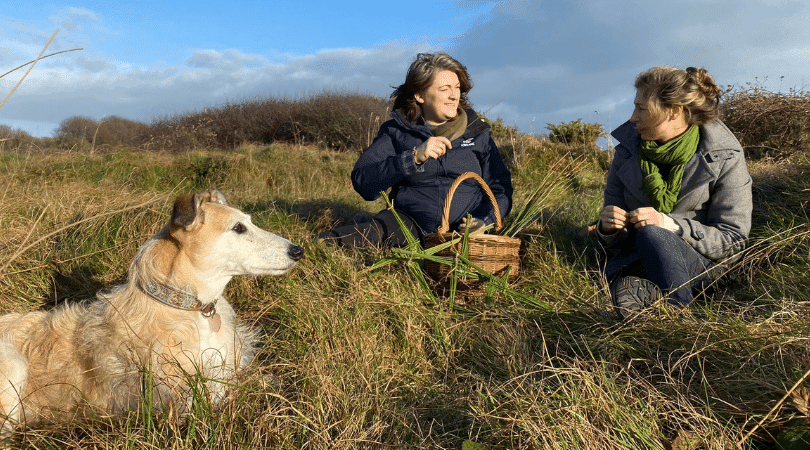
Saint Brigid was said to be followed by a cow with red ears whose supply of milk never ran dry, she was also a proud lesbian, who shared her life and bed with her life partner Darlughdach, aborted the pregnancy of a troubled woman, tricked a king into giving her acres and acres of land with a magic cloak, the same cloak she would hang on sun beams, she established an Abbey, allowing both men and women to stay there, she declared herself as Abbess when women at that time, couldn’t even be a priest never mind run an Abbey!
St Brigid today is seen as a cross over figure. No longer recognised by the Vatican as a Saint, She is still worshipped here by Catholics. Her Holy day is a public holiday, and she is also beloved of many pagans, representing Spring, Fire and Poetry as well.
Which leads us to Brigids Cross……
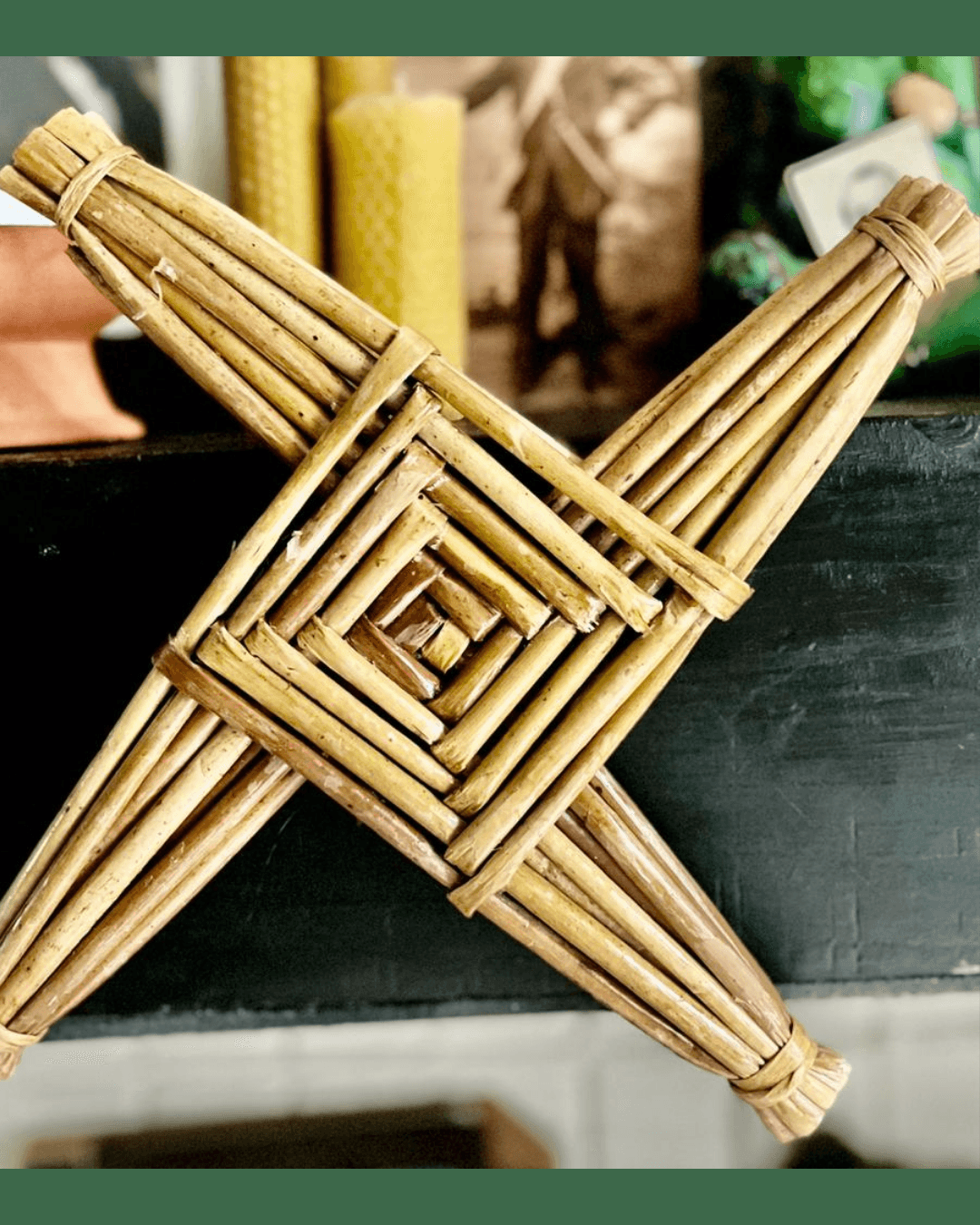
For anyone who grew up in Ireland, the story of Saint Brigid weaving her four legged cross from the rushes on the ground of a chieftains house is the most widely known and accepted version of events. However, many historians today believe that the origins of the cross are actually far older, potentially as old as Neolithic. Evidence for this is in the pottery and artwork of fertility goddesses depicting the womb as a diamond shaped pattern, similar to the middle of the cross. With each arm of the cross representing one of the Five Elements of Life; Air, Earth, Water and Fire. The centre representing Spirit.
The cross itself, it seems, is a representation of life, fertility and growth, the start of Spring
It is thought that these crosses were woven from the crops of the previous years harvest, whether that be corn or oats, to explain to the land what one would like to yield in the coming months.
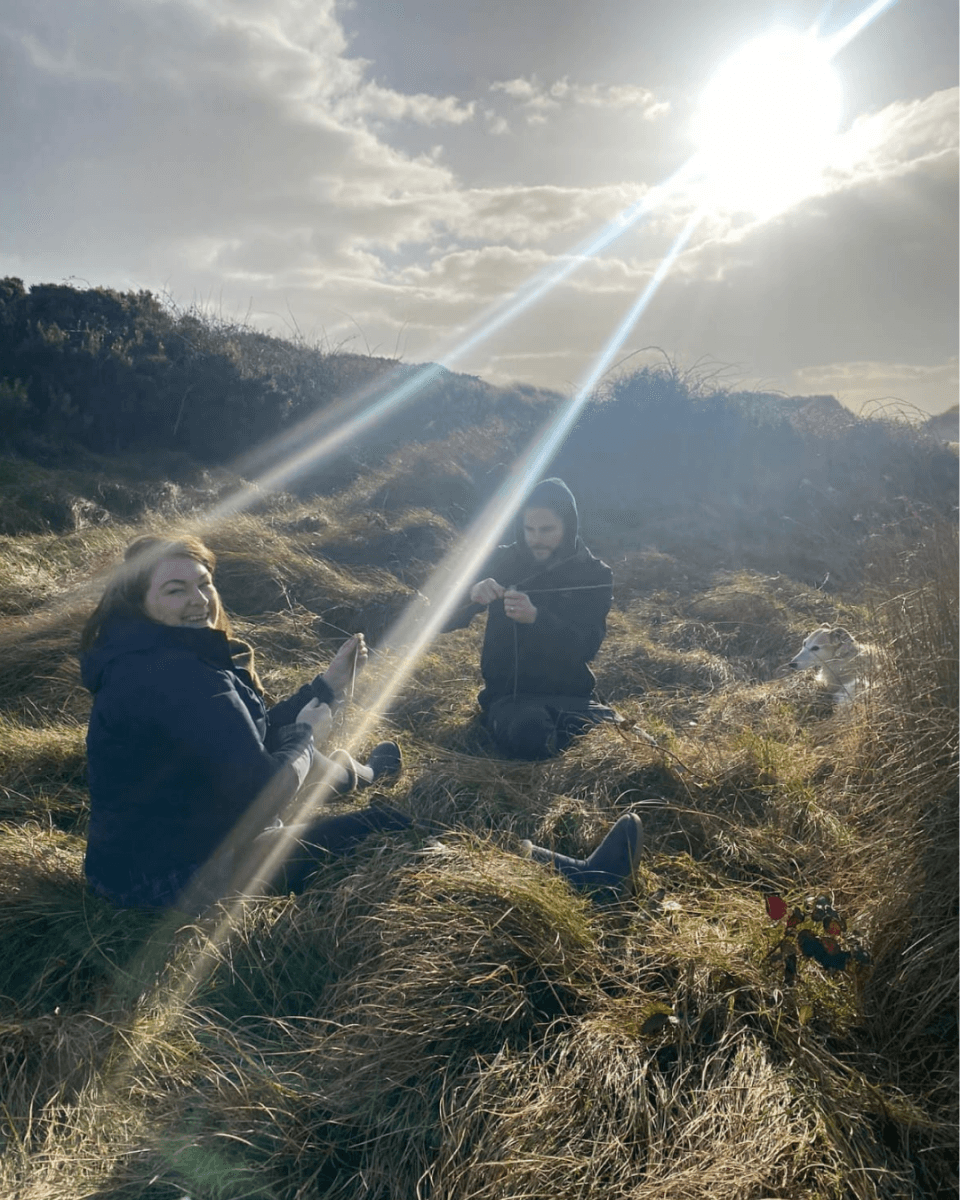
Today, as we approach Imbolc we can still practice the traditions of our ancestors. Make your own cross (instructional video linked below) and take some time to visualise what you want to grow this year.
What crop within yourself do you want to cultivate? Focus on this as you weave. Once finished, hold each arm of the cross in turn and imagine it being fired up, and a little blast of air, shooting some ideas and a splash of water to fertilise it all. Hang it up as a reminder to yourself of what spiritual crop you want to harvest this year. Traditionally, they are hung either above the front door or the hearth. As St Brigid is also said to protect the house from Fire and Illness during the year! It remains in place all year and then burnt the following Imbolc Eve with a new one taking its place
Crosses are normally made using Rushes, but you can swap this for corn or barley, English ivy, young weeping willow branches and pipe cleaners from the Art and Craft supply store!
And if you still feel its beyond your artistic talents, you can always just enjoy a pint of milk! Happy Imbolc!